

Learning
How Drum Shells Affect Sound
The shell is the heart of the drum. Material, construction, thickness, reinforcement rings, and bearing edges all help shape tone, sustain, warmth, attack, and response.
The Shell Is Where the Sound Starts
Once the drumhead is struck, the shell becomes a major part of the instrument's voice. Whether the shell is made from wood plies, steam-bent wood, metal, acrylic, fiberglass, or a hybrid construction, every design choice affects the final sound.
Shell choice is not only about volume or tone. It also affects response, sustain, tuning range, attack, warmth, projection, and how the drum feels under the stick.
Wood Shells
Wood is the most familiar drum shell material, but different woods can produce very different tonal personalities.
Maple
Maple is balanced and all-purpose, with even highs and mids and slightly warm lows.
Birch
Birch has boosted highs, a slightly reduced midrange, and strong low-end punch. It is often loud, focused, and cutting.
Mahogany
Mahogany has muted highs, smooth mids, and a warm, rich low end. It tends to sound vibrant and resonant.
Walnut
Walnut offers a fairly even balance of highs, mids, and lows, with a big and warm character.
Oak
Oak has softer highs, a good amount of midrange, slightly warm lows, and a fairly quick decay.
Beech
Beech has pronounced highs and mids with good low-end punch. It can feel sensitive and focused.
Cherry
Cherry tends to have boosted highs, punchy mids, and an average low end. It can sound bright and sensitive.
Bubinga
Bubinga offers even highs and mids with a rich low end. It can be sensitive, punchy, and powerful.
Poplar
Poplar has softer highs and mids with boosted low-end warmth. It tends to be smooth and even.
Ash
Ash has pronounced warm highs and mids with an average low end. It can sound throaty and warm.
Metal Shells
Metal shells are common in snare drums, but their character can vary widely depending on the alloy and construction method.
- Steel: clear highs with average mids and lows. A versatile all-purpose sound.
- Brass: open highs, mids, and lows with a warm, vibrant musical quality.
- Aluminum: crisp highs with warm, open mids and lows. Sensitive and colorful.
- Copper: muted highs with pronounced mids and lows. Loud and powerful.
- Bronze: muted highs with powerful mids and lows. Warm and responsive.
- Titanium: clear highs and mids with a focused, boxier low end.
Synthetic Shells
Synthetic shell materials can produce clean, focused sounds and should not be overlooked.
- Carbon fiber: even highs and mids with slightly warm lows. Controlled and dry.
- Acrylic: warm highs, mids, and lows with strong attack and presence.
- Fiberglass: even highs, mids, and lows. Controlled and focused.
Hybrid Shells
A hybrid shell combines different materials, such as wood and acrylic or metal and wood. These combinations can create distinctive sounds, but mixing materials does not automatically create a better drum.
Construction matters. If the materials work together and transfer energy well, the shell can sound clear and musical. If the design interrupts shell vibration or creates uneven energy transfer, the sound may become less focused.
The goal is not novelty. The goal is a drum that speaks clearly and supports the music.
Shell Construction
The way a shell is built can affect sustain, pitch, focus, volume, and response.
Wood Construction
- Plywood: long sustain, plenty of volume, and varying fundamental pitch.
- Stave: shorter sustain with a higher fundamental pitch.
- Steam-bent: vibrant tone, long sustain, and a true fundamental pitch.
- Solid: long sustain with a higher fundamental pitch.
- Segment: short sustain with a higher, more focused fundamental pitch.
Metal Construction
- Cast: long sustain and a higher fundamental pitch.
- Spun: vibrant sound, long sustain, and a true fundamental pitch.
Shell Thickness and Reinforcement Rings
Shell thickness also affects tone. In general, thinner shells tend to produce a lower fundamental tone, while thicker shells tend to produce a higher fundamental tone.
Reinforcement rings are added inside some wood shells to provide strength and stability. They can also affect tone by focusing or controlling shell resonance.
A thinner shell with reinforcement rings can feel different from a thicker shell without them. This is why two drums made from the same wood can still respond very differently.
Bearing Edges
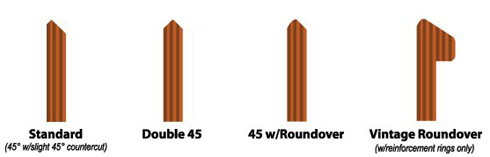
Bearing edges are one of the most important parts of the shell. They control how the drumhead contacts the shell, which affects attack, sustain, warmth, overtones, tuning range, and sensitivity.
45-Degree Edge
A sharp 45-degree edge usually creates more attack, more sustain, and a livelier modern sound. Because less head film contacts the shell, the drum can produce more harmonic overtones and increased sensitivity.
Dual 45-Degree Edge
A dual 45-degree edge places the peak closer to the center of the shell. This can allow the head to contact the edge on a flatter part of the film, often producing longer sustain and a wider tuning range.
Roundover Edge
A roundover edge creates more head-to-shell contact. This usually produces a warmer, mellower sound with fewer overtones and a stronger fundamental pitch.
Baseball Bat or Extreme Roundover
A full roundover edge produces fewer overtones and a fat, punchy sound. This type of edge is often associated with vintage-style tom and bass drum sounds, especially in mid to low tuning ranges.
Hybrid Edges
Some drums use different bearing edges on the batter and resonant sides. For example, a roundover on the batter side and a sharper edge on the resonant side can combine warmth with increased response and sustain.
Everything Works Together
Bearing edges are only one part of the drum's design. Shell material, shell thickness, ply configuration, drum size, mounting hardware, hoops, heads, finish type, and tuning all interact.
That is why drum sound is rarely about one single feature. A maple shell with a sharp edge can feel very different from a maple shell with a roundover edge. A thin shell with reinforcement rings may speak differently than a thick shell without them.
Final Thought
Drum shells offer almost endless tonal possibilities. The best choice depends on the sound you want, the music you play, and the way you want the drum to respond under your hands.
Listen for the whole instrument: attack, body, sustain, warmth, projection, and feel. The shell is only one piece of the puzzle, but it is one of the most important pieces.